
Parents often become concerned when their child seems to catch one cold after another, especially after starting daycare or school. It is natural to wonder whether their immunity is weak or whether something can be done to make them fall sick less often.
The answer is not about finding a single “immunity booster.” A child’s immune system develops gradually, and sleep, nutrition, vaccination, physical activity and overall health all play a role. When illnesses keep returning, it is also useful to look at their pattern and know when further medical assessment is needed.
Here is what parents should know about childhood immunity, recurring illnesses and where homoeopathic care may fit alongside regular paediatric care.
How Does a Child's Immune System Develop?
A baby isn’t born with full immunity. In the first few months, protection comes mostly from antibodies passed on by the mother before birth, a kind of borrowed shield. This fades as the baby’s own immune system gradually takes over.
From there, a child builds lasting immunity two ways: by being exposed to germs, and through vaccination. As the World Health Organization explains, a vaccine gives the immune system a safe, controlled introduction to a germ, so the body learns to fight it without the child getting sick first. The CDC adds some vaccines require more than one dose because repeated doses may be needed to build or maintain adequate protection.
Why Do Some Children Fall Sick So Often?
There are hundreds of viruses that can cause common colds, and children have not yet developed immunity to many of them. Close contact with other children also makes infections easier to spread.
Other factors may contribute to repeated symptoms, including:
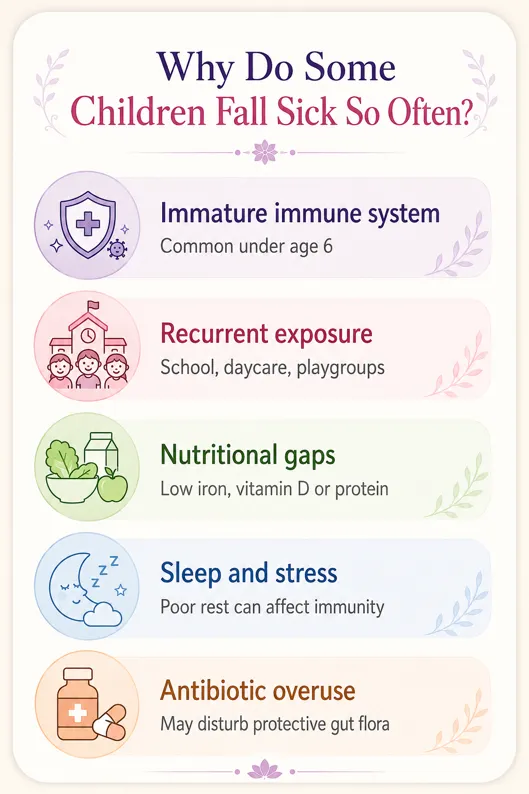
Identifying the pattern behind repeated illness is often more useful than treating each condition separately.
What Does a Homoeopathic Consultation Consider?
Homoeopathy works on the underlying tendency to fall ill repeatedly. It usually looks at:
The child’s overall condition: appetite, sleep, temperament, energy levels
Recurring patterns: does the cold always start with a sore throat? Does fever always follow a stomach upset?
Triggers: weather changes, school stress, dietary habits, family history
Emotional factors: anxiety, clinginess, or irritability that often accompanies low immunity in children
Based on this complete picture, a qualified homoeopathy doctor selects an individualized remedy. Because, two children with the same cough can need entirely different remedies depending on their overall pattern.
What Are the Most Common Recurring Health Issues in Children?
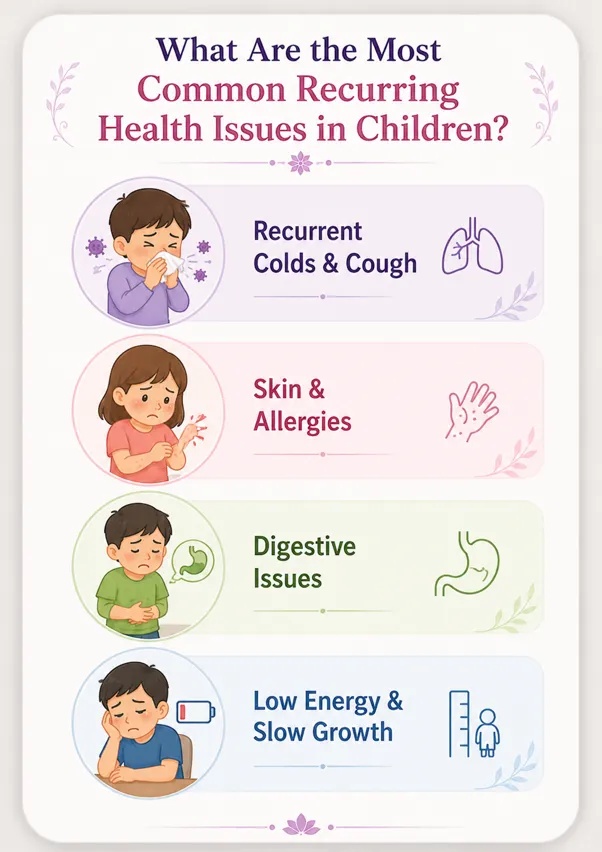
Recurrent Colds Cough
If your child keeps catching colds or coughs, the doctor will ask about how often it happens, what tends to trigger it like weather changes, school reopening, dust etc and how their body usually reacts, like a dry cough or a wet cough, fever or no fever, and whether appetite drops during illness.
Skin & Allergies
Digestive Issues
Low Energy & Slow Growth
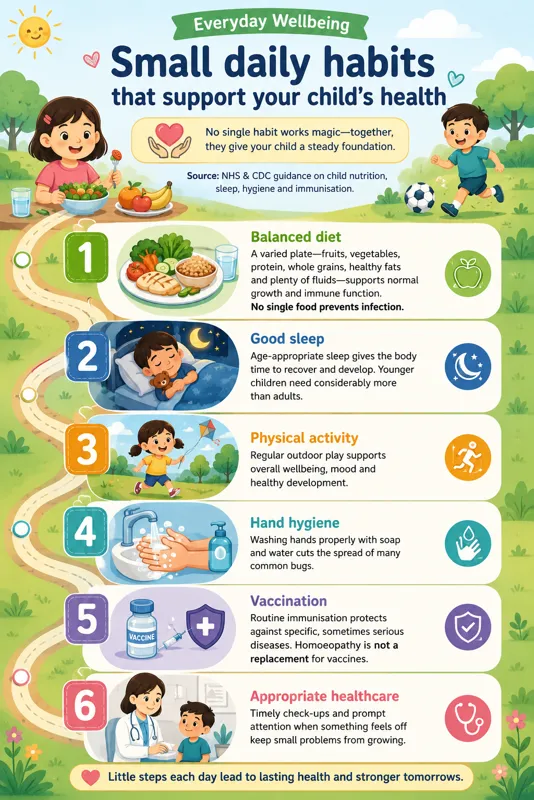
Diet, Lifestyle & Daily Habits That Support Immunity
According to Mayo Clinic Health System, you can’t really “boost” immunity beyond its normal level. Good habits keep the system well-supplied so it isn’t running short.
Sleep
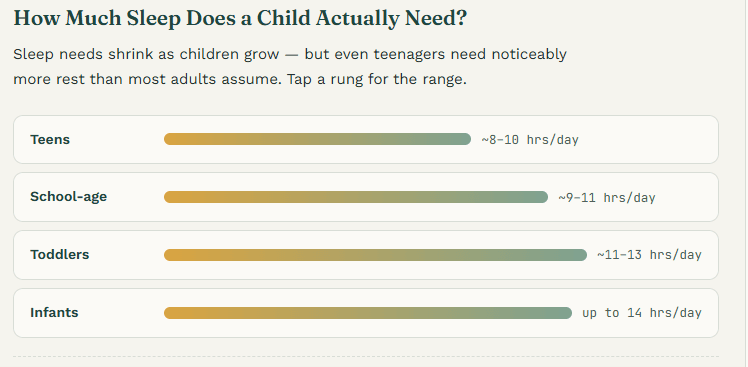
Certain immune cells are more active while a child sleeps, and too little sleep makes it easier to catch things. A child’s sleep needs are roughly 8–14 hours a day depending on age.
Food
Breastfeeding, Where Possible
Movement
Vaccination
When to Skip Home Care and See a Doctor Now
Most mild childhood coughs, colds and short-term illnesses improve with appropriate home care. However, some symptoms should not be managed only at home or with complementary treatment.
Seek prompt medical advice if your child:
Any fever in a baby younger than 3 months old